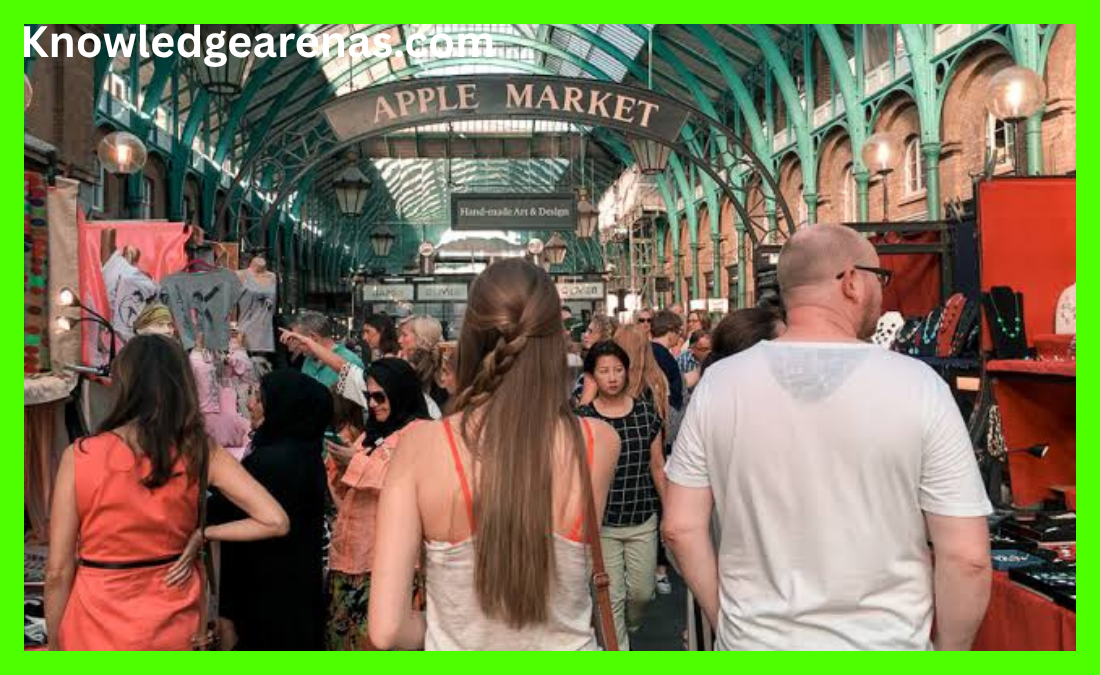
London is a city where markets are part of everyday life, not simply tourist attractions. From historic food halls and colourful flower stalls to vintage clothing, antiques, handmade crafts and international street food, the markets in London offer something for almost every type of visitor. The challenge is deciding where to go because the city has markets spread across different neighbourhoods, each with its own character and specialities.
Whether you are visiting London for the first time or looking for somewhere different to shop and eat, understanding what each market offers can make your trip much easier. This guide covers some of the most notable London markets and explains what you can expect from each one.
What Are the Markets in London Known For?
London’s markets cover a remarkably wide range of products and experiences. Some concentrate on food, while others are known for antiques, fashion, flowers, art, crafts or locally produced goods.
Visit London groups the capital’s markets into categories including food markets, antiques markets, clothes markets, street markets and farmers’ markets.
That variety is one of the biggest attractions. A visitor can spend the morning looking for antiques at Portobello Road, stop for lunch at a food market and then browse independent designers at Old Spitalfields.
Markets also play an important role in London’s local communities. London City Hall describes markets as important to employment, local trade and community connections.
1. Borough Market
Borough Market is one of the best-known destinations for food lovers in London. Located close to London Bridge, it has a history stretching back more than a thousand years and is now strongly associated with specialist food, fresh produce and prepared dishes.
Visitors can find products such as cheese, bread, meat, fish, fruit and vegetables alongside street-food stalls and other food businesses.
The market is particularly useful if food is the main reason for your visit. Rather than being primarily a general shopping market, Borough is a place where visitors can explore ingredients, discover specialist producers and eat while walking around the market area.
Because it is one of London’s most popular markets, busy periods can make the experience considerably more crowded. If you want time to browse without rushing, checking the market’s current trading information before travelling is sensible.
2. Camden Market
Camden is one of London’s most recognisable market destinations and is particularly associated with alternative fashion, street food, independent shops and a lively atmosphere.
Visit London highlights Camden for vintage fashion, street food and alternative culture.
The wider Camden area also contains numerous other markets. Camden Council says the borough has at least 19 regular markets, including public street markets and privately managed markets.
That means “Camden Market” can feel less like one small collection of stalls and more like a broader market district. It is a good choice for visitors who want shopping, food and entertainment in the same area.
3. Portobello Road Market
Portobello Road Market in Notting Hill is particularly famous for antiques, vintage goods and second-hand treasures.
The market changes character across the week, with different types of traders and goods appearing on different days. VisitBritain describes the Saturday market as particularly extensive, with more than 1,500 stalls.
For antique hunters, vintage collectors or anyone who enjoys browsing unusual objects, Portobello Road is one of the most distinctive markets in London.
It is also worth allowing time to explore the surrounding streets rather than treating the market as a quick shopping stop.
4. Greenwich Market
Greenwich Market combines food, shopping, art and history in a covered market setting.
According to Visit Greenwich, the market was established by Royal Charter in 1700 and originally traded products including fruit, vegetables and livestock. Today, its stalls include art, antiques, fashion, jewellery, handmade gifts and international street food.
The market can work particularly well as part of a wider Greenwich day out. After visiting the market, travellers can explore the surrounding historic area rather than making the market their only destination.
For shoppers interested in handmade products and independent stalls, Greenwich offers a different experience from London’s larger food-focused markets.
5. Old Spitalfields Market
Old Spitalfields Market is located in East London and operates from a historic market hall.
VisitBritain says the market is home to more than 50 shops and stalls, including independent retailers, local producers and established brands. It also has street food and global dishes, while its Thursday Antiques Market provides another reason to visit.
This makes Old Spitalfields useful for visitors who want a mixture of shopping and food rather than a market focused entirely on one category.
Its covered setting can also make it a practical option when the weather is less predictable.
6. Brick Lane Market
Brick Lane is strongly associated with vintage fashion, bric-a-brac, food and East London’s multicultural character.
Visit London lists Brick Lane among the city’s notable markets and highlights its vintage fashion and Sunday flea-market atmosphere.
The surrounding area is also well known for restaurants and food influenced by the neighbourhood’s Bangladeshi heritage.
If you enjoy combining market browsing with independent cafés, restaurants and shops, Brick Lane can be a good area to explore rather than visiting only one stall or market building.
7. Columbia Road Flower Market
For flowers and plants, Columbia Road Flower Market is one of the most distinctive choices in London.
The market takes place on Sundays, when Columbia Road in East London becomes filled with flower and plant traders. VisitBritain describes the market as a Sunday destination where stalls spill into the surrounding streets.
The experience is different from a traditional food or antique market. The emphasis is on flowers, plants and the atmosphere created by the surrounding independent businesses.
If you plan to visit, checking current opening arrangements is important because Sunday is the key market day.
8. Broadway Market
Broadway Market in Hackney is known for food, fresh produce, independent businesses and a strong weekend atmosphere.
VisitBritain reports that the Saturday market can have up to around 130 stalls, covering products such as fresh produce, vintage clothing, flowers and artisan coffee.
It is particularly suited to people who want to combine food with browsing independent stalls. The surrounding neighbourhood also has cafés, restaurants and shops, making it possible to turn a market visit into a longer outing.
9. Covent Garden Market
Covent Garden offers a more polished shopping and dining environment than many traditional street markets.
Visit London includes Covent Garden among London’s major market destinations and describes the area as a place for handmade crafts and goods, alongside shopping, restaurants and entertainment.
It can therefore appeal to visitors who want the atmosphere of a historic London market area while remaining close to major West End attractions.
10. Leadenhall Market
Leadenhall Market is another historic market destination in central London. Its architecture and location make it especially interesting for visitors who want to combine shopping with sightseeing.
Visit London includes Leadenhall among its food and market destinations.
Its City of London location also makes it convenient for people exploring the financial district and nearby attractions.
Which London Market Should You Visit?
The right market depends largely on what you want to buy or experience.
| If you want… | Consider |
|---|---|
| Gourmet food and fresh produce | Borough Market |
| Vintage fashion and alternative shopping | Camden Market |
| Antiques and vintage finds | Portobello Road Market |
| Handmade gifts and crafts | Greenwich Market |
| Independent shopping and food | Old Spitalfields Market |
| Vintage goods and street food | Brick Lane |
| Flowers and plants | Columbia Road Flower Market |
| Weekend food and artisan products | Broadway Market |
| Shopping and sightseeing | Covent Garden |
| Historic architecture and central London | Leadenhall Market |
These categories are a practical way to narrow down the choices, but there is considerable overlap between London’s markets. Many sell food, clothing, gifts and other goods at the same time.
When Is the Best Time to Visit London Markets?
There is no single best day for every market because opening schedules differ.
Some markets operate throughout the week, while others are strongly associated with particular days. Columbia Road Flower Market, for example, is a Sunday market, while Broadway Market is especially associated with Saturdays.
Arriving earlier can also make sense at busy markets if your priority is browsing rather than dealing with large crowds. However, traders and stalls can have individual schedules, so visitors should check official information before travelling.
This is particularly important around public holidays, seasonal events and changes to individual market operations.
Are London Markets Expensive?
Prices vary significantly.
A market can contain inexpensive second-hand goods alongside specialist products that cost considerably more. Food markets also range from simple street-food options to premium ingredients and artisan products.
It is therefore difficult to give one typical price for a London market visit. Your spending will depend on what you buy, where you eat and whether you are looking for bargains or specialist products.
If you are travelling on a budget, browsing is free at many markets, and you can decide what to purchase after comparing several stalls.
Tips for Visiting Markets in London
A little planning can make a market visit much easier.
Check the market’s official information first. Opening days and trader schedules can vary.
Choose the market according to your purpose. Someone looking for antiques may get more from Portobello Road than a food-focused market, while a visitor interested in flowers may prefer Columbia Road.
Allow extra time. Popular markets can be busy, and browsing several stalls takes longer than simply walking through the area.
Carry a suitable payment method. Individual traders can have different payment arrangements, so it is sensible to be prepared.
Explore beyond the main stalls. Many London markets are surrounded by independent shops, cafés and restaurants that add to the overall experience.
What Reliable Sources Confirm
Information about London’s markets can change, particularly opening schedules, individual traders and seasonal events. For that reason, current information should be checked with the market itself or an official tourism or council source before travelling.
Visit London currently lists markets across categories including food, antiques, clothing and street markets. VisitBritain also identifies major destinations such as Borough Market, Camden Market, Portobello Road, Greenwich Market, Brick Lane and Old Spitalfields.
For local information, council and official market websites can be particularly useful. Camden Council, for example, provides information about the borough’s public and private markets, while Visit Greenwich provides information about Greenwich Market and nearby farmers’ and vintage markets.
Claims about exact stall numbers, prices, opening hours or individual traders should therefore be treated as changeable rather than permanent facts.
Conclusion
The markets in London offer far more than a place to buy things. They reflect different parts of the city’s food culture, history, independent retail scene and local communities. Borough Market is closely associated with food, Camden with alternative shopping and street food, Portobello Road with antiques, Greenwich with crafts and food, and Columbia Road with flowers.
Rather than trying to visit every market, choose one or two that match your interests and build the rest of your day around the surrounding neighbourhood. Checking current opening information before you travel will also help you avoid arriving when your chosen market is closed or operating on a different schedule.
FAQs About Markets in London
What are the most famous markets in London?
Some of the best-known include Borough Market, Camden Market, Portobello Road Market, Greenwich Market, Brick Lane, Old Spitalfields Market and Columbia Road Flower Market.
Which London market is best for food?
Borough Market is particularly well known for food, fresh produce, specialist ingredients and prepared dishes. Other food-focused choices include Broadway Market, Brick Lane and several smaller markets across the city.
Which London market is best for antiques?
Portobello Road Market is one of London’s best-known destinations for antiques and vintage goods. Greenwich Market and specialist antique markets across the capital also offer collectables and older items.
Are London markets open every day?
No. Opening schedules vary considerably. Some markets operate throughout the week, while others concentrate on specific days. Columbia Road Flower Market, for example, is primarily a Sunday market. Always check current information before visiting.
Are London markets free to enter?
Many markets can be visited without an admission charge, although you will need to pay for anything you purchase or eat. Special events or attractions within a market area may have separate charges.
About the Author