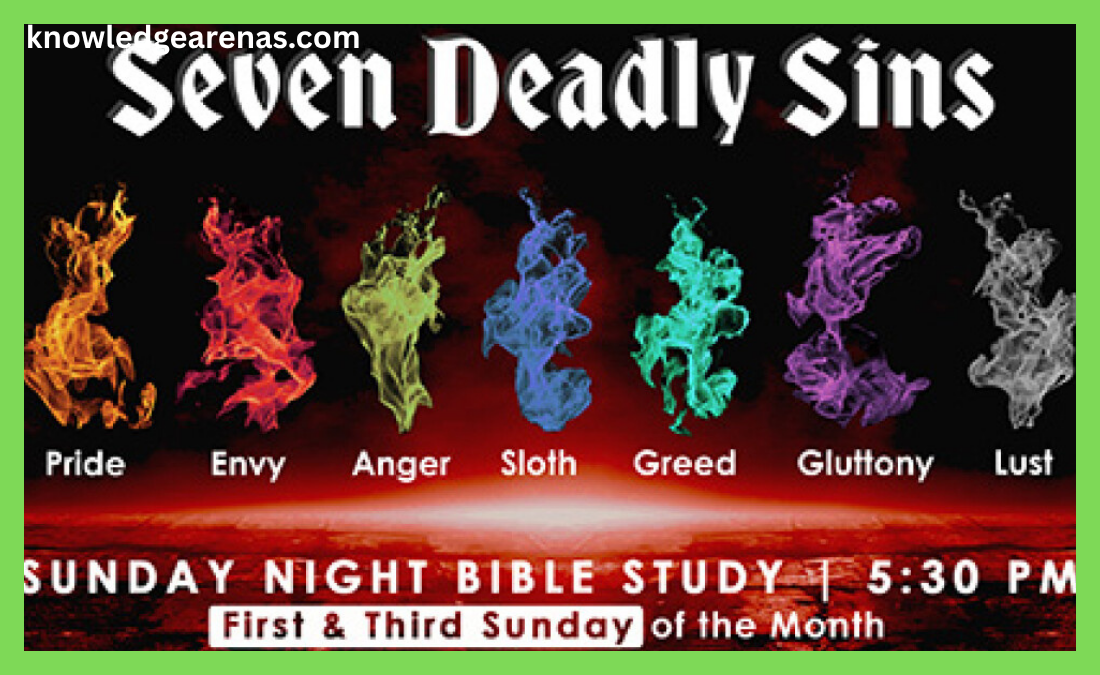
The phrase “seven deadly sins” is familiar to millions of Christians, but there is an important detail that is often missed: the Bible does not present one official list of seven sins under that name. The familiar list developed later in Christian tradition from biblical teachings about pride, greed, lust, envy, gluttony, wrath, and sloth.
What Are the 7 Deadly Sins in the Bible?
The seven commonly recognized deadly sins are pride, greed, lust, envy, gluttony, wrath, and sloth. They are also called capital sins or capital vices because they were traditionally understood as fundamental tendencies that can lead to other sinful actions.
So, what are the 7 deadly sins in the Bible? The answer requires some historical context. The exact seven-item list is not found in a single biblical passage. Instead, these seven categories reflect themes that appear repeatedly throughout Scripture.
The closest biblical passages include Proverbs 6:16–19, which describes seven things the Lord hates, and Galatians 5:19–21, which lists numerous “works of the flesh.” Neither passage, however, gives the traditional seven deadly sins as Christians know them today.
1. Pride
Pride is generally understood as an inflated view of oneself or a refusal to recognize one’s dependence on God.
The Bible repeatedly warns about pride. Proverbs 16:18 famously connects pride with destruction, while Proverbs 6:17 includes “haughty eyes” among the things described as detestable.
Pride can become spiritually dangerous when self-importance replaces humility. In Christian teaching, the problem is not simply confidence or satisfaction in an achievement. It is the elevation of self above God and others.
2. Greed
Greed, also called avarice or covetousness, is an excessive desire for wealth, possessions, status, or material gain.
Jesus addressed the subject directly in Luke 12:15, warning his followers to guard themselves against every form of greed. The passage then tells the parable of a wealthy man who accumulated possessions but failed to consider the condition of his soul.
The biblical concern is therefore deeper than simply having money. Wealth itself is not presented as automatically sinful. The danger comes when possessions become an overriding priority.
3. Lust
Lust involves an uncontrolled or improper desire, particularly sexual desire.
Jesus addressed the issue in Matthew 5:27–28, where he connected lustful intention with adultery of the heart. The teaching emphasizes that morality is not limited to outward behavior; internal desires also matter.
This is one reason the traditional understanding of lust goes beyond a simple physical act. It concerns the way desire can become controlling and disregard the dignity of another person.
4. Envy
Envy is resentment or dissatisfaction arising from another person’s advantages, possessions, success, appearance, or circumstances.
The Bible repeatedly warns against jealousy and envy. Galatians 5:19–21 includes envy among the works of the flesh, while Proverbs contains several warnings about jealousy and destructive comparison.
Envy becomes particularly damaging when another person’s success feels like a personal loss. Instead of appreciating what one has, the person becomes consumed by what someone else possesses.
5. Gluttony
Gluttony is traditionally associated with excessive consumption, especially food and drink.
The Bible does not simply condemn eating or enjoying food. Scripture contains many examples of meals, feasts, and hospitality. The concern is excess and the loss of self-control.
Proverbs 23:20–21 warns against excessive indulgence, while Philippians 3:19 refers to people whose “god is their belly.” These passages illustrate why uncontrolled appetite became associated with gluttony in Christian teaching.
6. Wrath
Wrath refers to uncontrolled anger, hostility, or a desire for revenge.
Anger itself is more complicated in biblical teaching than simply being labeled sinful. Scripture contains examples of righteous anger, but it repeatedly warns against uncontrolled rage, hatred, bitterness, and retaliation.
Galatians 5:20 includes “fits of anger” among the works of the flesh. James 1:19–20 likewise urges believers to be slow to anger because human anger does not produce the righteousness God desires.
7. Sloth
Sloth is traditionally associated with laziness, neglect, or spiritual apathy.
The concept has a broader meaning than simply being unwilling to work. Christian writers historically connected it with acedia, a form of spiritual indifference or resistance to one’s responsibilities.
Proverbs repeatedly praises diligence and warns against laziness. The New Testament also encourages believers to remain active in faith and responsibility rather than becoming spiritually passive.
Where Did the Seven Deadly Sins Come From?
This is the part many explanations leave out.
The traditional list did not originate as a seven-item biblical list. In the fourth century, the Christian monk Evagrius Ponticus described eight “evil thoughts,” including gluttony, lust, greed, anger, spiritual apathy, pride, vainglory, and sadness.
The framework later passed into Western Christian thought through writers such as John Cassian. In the sixth century, Pope Gregory the Great reorganized the categories, helping establish the seven-vices framework that became widely recognized.
Later theologians, particularly Thomas Aquinas, further developed the concept and referred to these tendencies as capital vices or sins.
Are the Seven Deadly Sins Actually in the Bible?
If the question is asking whether the exact phrase and list appear together in Scripture, the answer is no.
However, the individual behaviors and attitudes represented by the traditional list are addressed extensively throughout the Bible. Proverbs, the teachings of Jesus, Paul’s letters, and other biblical books repeatedly discuss pride, greed, sexual immorality, jealousy, excessive appetite, anger, laziness, and related behaviors.
That distinction makes the answer to what are the 7 deadly sins in the Bible more precise. The categories are rooted in biblical moral teaching, but the familiar seven-part classification developed through later Christian tradition.
Why Do the Seven Deadly Sins Still Matter?
The traditional list remains useful because it gives readers a simple framework for examining recurring attitudes and behaviors.
Rather than treating the seven sins as a ranking of the worst possible offenses, Christian tradition generally views them as root tendencies that can produce other forms of wrongdoing.
The biblical emphasis ultimately goes beyond identifying wrongdoing. Scripture repeatedly calls people toward repentance, humility, self-control, love, generosity, forgiveness, and faithfulness.
Conclusion
So, what are the 7 deadly sins in the Bible? The traditional seven are pride, greed, lust, envy, gluttony, wrath, and sloth. While the Bible does not present them as one official seven-item list, each category reflects themes found throughout Scripture.
Understanding the historical development of the list helps separate biblical teaching from later terminology while showing why the seven deadly sins remain an influential part of Christian moral thought.
Frequently Asked Questions
Are the seven deadly sins listed in one Bible verse?
No. The Bible does not contain a single passage listing the traditional seven together.
What are the 7 deadly sins in the Bible?
They are traditionally identified as pride, greed, lust, envy, gluttony, wrath, and sloth.
Does Proverbs 6 list the seven deadly sins?
No. Proverbs 6:16–19 lists seven things described as hateful or detestable to God, but it is different from the traditional list.
Who created the seven deadly sins?
The framework developed from the fourth-century writings of Evagrius Ponticus and was later reorganized in Western Christianity, particularly by Pope Gregory the Great.
Why are they called deadly sins?
They are called “deadly” or “capital” because Christian tradition considers them root vices from which other sinful behaviors can develop.
About the Author